How to stop hitting snooze

Snooze is not a rest strategy. It is a second sleep you already decided against. Stop it by changing the night before, the alarm, and the first 30 seconds — not by buying more willpower.
This is practical advice for a common wake-up problem, not a diagnosis. If you cannot stay awake, snore loudly, or feel exhausted after a full night in bed, talk to a clinician. Sleep apnea and other conditions are not a snooze-button issue.
Why snooze feels necessary and still fails
The snooze button sells a story: nine more minutes will make you ready. What you usually get is sleep inertia — grogginess from interrupting a new sleep cycle — plus a morning that starts late and already feels like a loss. You searched “how to stop hitting snooze” because the extra minutes never turn into a better day.
Willpower at 6:30 a.m. is the wrong tool. Change the setup so staying in bed is harder than standing up, and change the night so the alarm is not fighting a 1 a.m. bedtime.
The night before is most of the job
If you are short on sleep, snooze is a symptom. Pick a bedtime you can keep five nights a week. Cut the “one more episode” loop. Park the phone out of the sheets. A wind-down habit — dim lights, no new feeds — does more than a louder alarm. For the full sleep picture, read how to get better sleep and use a sleep tracker so you can see whether the morning plan is even possible.
Set one wake time for weekdays. A two-hour weekend lie-in feels earned and still wrecks Monday. Consistency beats a heroic 5 a.m. you abandon on Wednesday.
Make snooze more work than getting up
- One alarm. Five staggered alarms train you to ignore the first four. Pick the real time.
- Phone across the room. If the screen is in your hand, snooze is one tap. Standing is the first win.
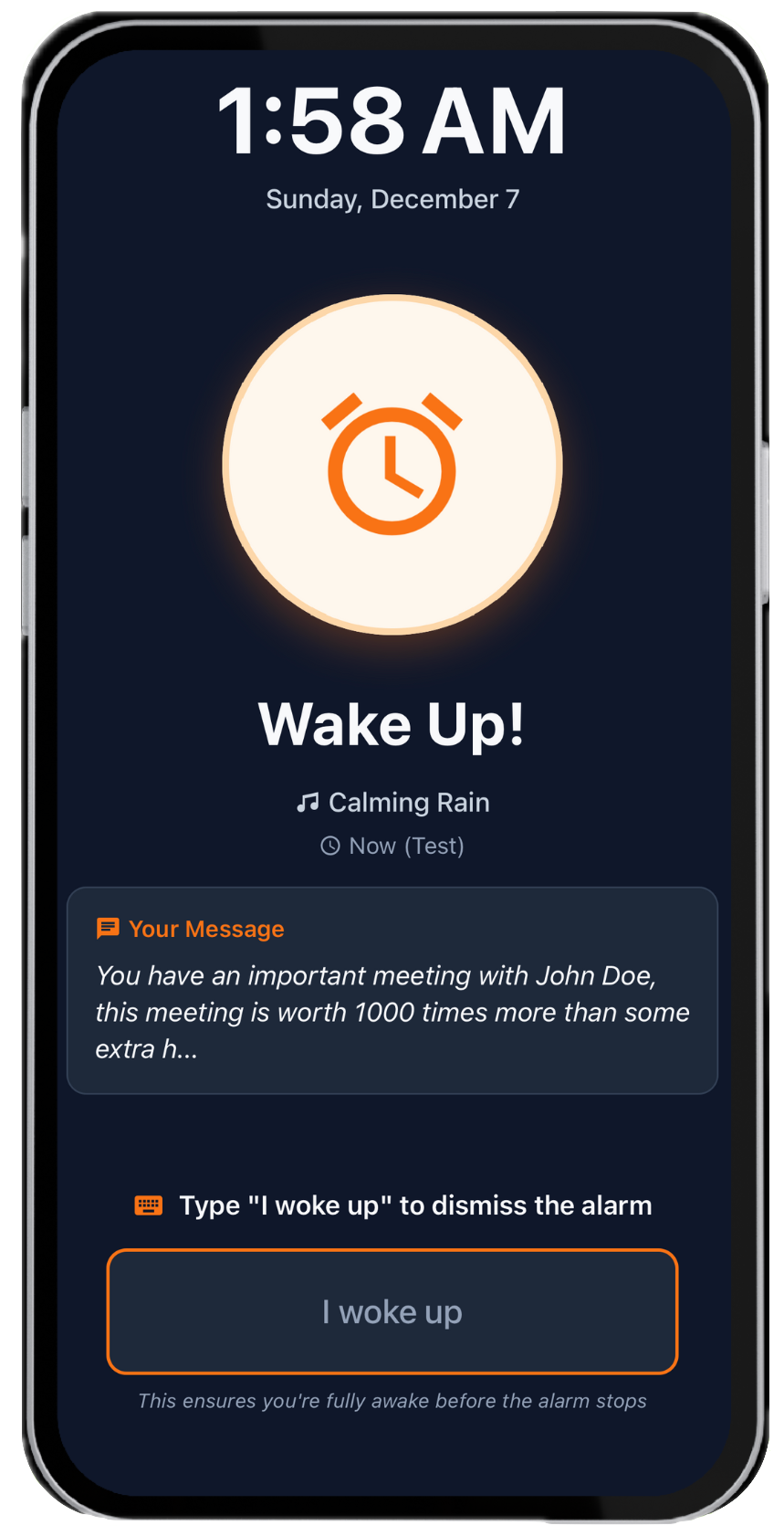
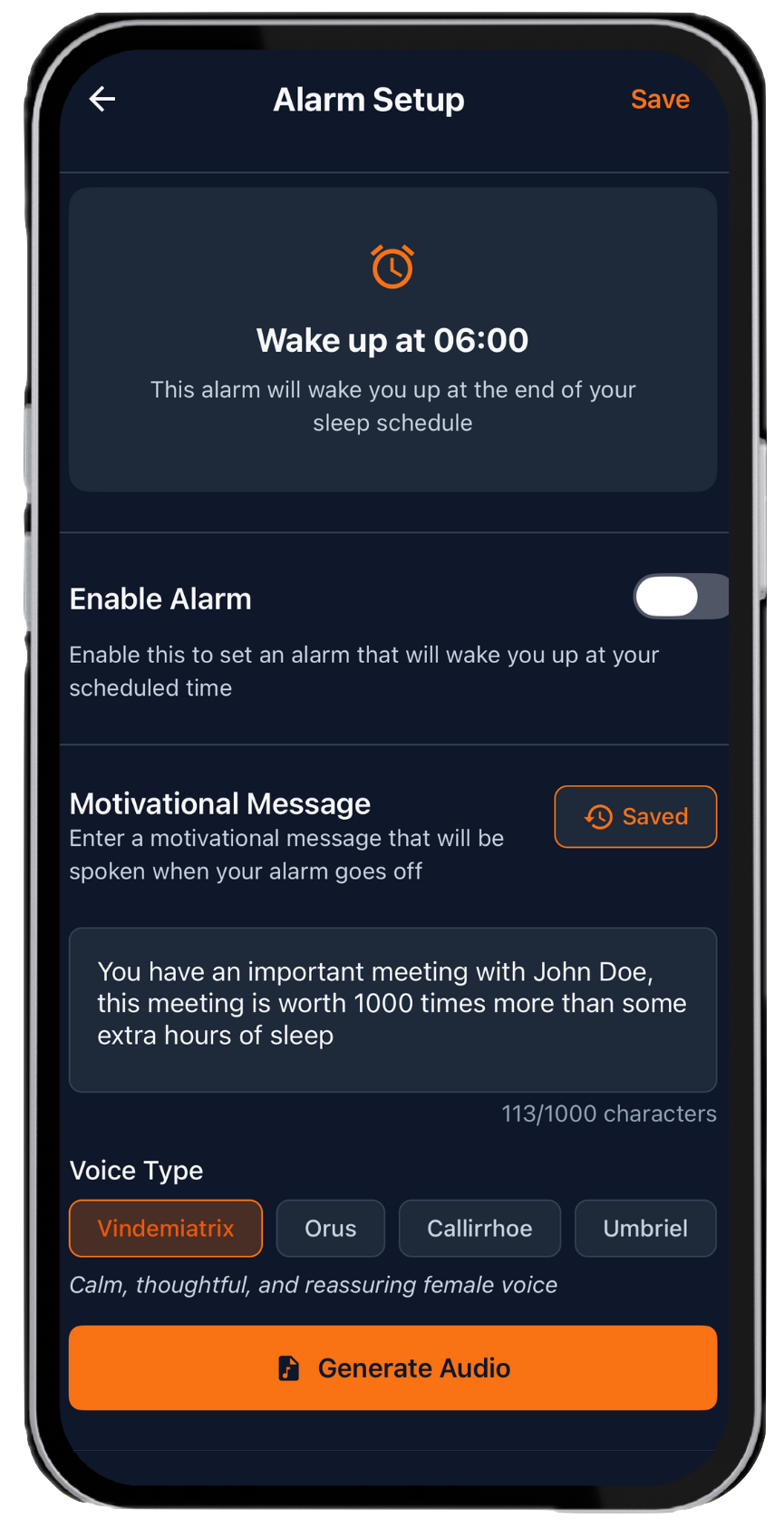
- A mission, not a chime. Alarmy is famous for this: you have to do something to dismiss. LifeMaxing’s wake-up can require walking to dismiss so you cannot finish the job from the pillow.
- Light immediately. Open a blind or turn on a lamp. Darkness is an invitation to lie back down.
- Do not sit on the bed. The 30-second rule: feet on the floor, then leave the room. Sit later, not now.
Alarmy vs a wake-up inside a daily system
Alarmy is excellent at one job: making it hard to snooze. If that is the only problem you want to solve, it can stay. LifeMaxing puts a mission-style alarm next to sleep tracking, morning habits, and the rest of the day. Waking up is supposed to start something — water, a short movement, today’s streak — not just prove you can stand. Pair the alarm with a short morning routine so the first minutes have a script.
Track “wake once,” not a 12-step dawn
Put “up on the first alarm” in a habit tracker. Do not add journaling, a 40-minute workout, and inbox zero on day one. When you miss, get up at the same time the next day. Missing twice is how snooze becomes the default again. For how to keep that kind of streak without turning it into a to-do list, see how to build a habit that sticks.
Put the guide into a daily system
LifeMaxing tracks habits, workouts, meals, sleep, and focus in one app. Start free.
Get the app